
Telepsihijatrija, kao specijalizirana grana telemedicine, odnosi se na korištenje telekomunikacijskih tehnologija za pružanje psihijatrijske procjene, konzultacija i liječenja na daljinu. Njen razvoj odražava širi tehnološki napredak, ali i rastuće potrebe unutar sustava mentalnog zdravlja širom svijeta.
Godine 1900. A. Bell je izmislio telefon, koji se koristio kao ključni alat za medicinsku komunikaciju više od 50 godina. Telefon se svakako može smatrati prvim i najjednostavnijim oblikom telemedicinske tehnologije.
Počeci telepsihijatrije mogu se pratiti do sredine 20. stoljeća, kada su započeli prvi eksperimenti u telemedicini. Tijekom 1950-ih i 1960-ih godina, pionirski projekti u Sjedinjenim Američkim Državama koristili su zatvorene televizijske sustave kako bi povezali psihijatrijske stručnjake s pacijentima na udaljenim lokacijama. Jedan od najranijih i najčešće citiranih projekata odvijao se u Nebraska Psychiatric Institute, gdje su kliničari pružali konzultacije državnoj bolnici putem televizijskih veza. U isto vrijeme slične inicijative razvijale su se i u Kanadi, posebno za potrebe geografski izoliranih populacija. Ovi rani eksperimenti pokazali su da se psihijatrijski intervjui i konzultacije mogu učinkovito provoditi bez fizičke prisutnosti, dovodeći u pitanje tradicionalne pretpostavke o liječenju licem u lice.
Unatoč obećavajućim počecima, širenje telepsihijatrije bilo je u početku ograničeno tehnološkim ograničenjima, visokim troškovima i nedostatkom infrastrukture. Analogni video sustavi bili su skupi i često nepouzdani, pa šira primjena nije bila moguća. Ipak, koncept je ostao relevantan, osobito u ruralnim i nedovoljno opskrbljenim područjima gdje je pristup stručnjacima za mentalno zdravlje bio ograničen.
Devedesete godine 20. stoljeća označile su prekretnicu pojavom digitalnih komunikacijskih tehnologija i ranog interneta. Poboljšanja u videokonferencijama učinila su telepsihijatriju praktičnijom i dostupnijom. U tom razdoblju brojni pilot projekti i istraživanja potvrdili su da su dijagnostička pouzdanost i zadovoljstvo pacijenata usporedivi s klasičnim liječenjem. Istovremeno, rastuća svijest o mentalnim potrebama migranata, izbjeglica i kulturno raznolikih populacija dovela je do inovativnih pristupa, uključujući prekogranične konzultacije i ono što će kasnije biti poznato kao transkulturalna telepsihijatrija. Ponosan sam što me nazivaju ocem transkulturalne telepsihijatrije — područja koje je proizašlo iz jednostavne, ali suštinske ideje da pacijente treba razumjeti na njihovom vlastitom jeziku i u njihovom kulturnom kontekstu.
Početkom 2000-ih dolazi do ubrzanog razvoja telepsihijatrije, potaknutog širenjem interneta velike brzine, smanjenjem troškova tehnologije i većim prihvaćanjem među liječnicima i pacijentima. Zdravstveni sustavi počinju integrirati telepsihijatriju u rutinsku praksu, osobito u ruralnim područjima, zatvorskom sustavu, vojsci i urbanim sredinama s ograničenim resursima. Profesionalne organizacije počinju razvijati smjernice i standarde kako bi osigurale kvalitetu, povjerljivost i etičnost rada.
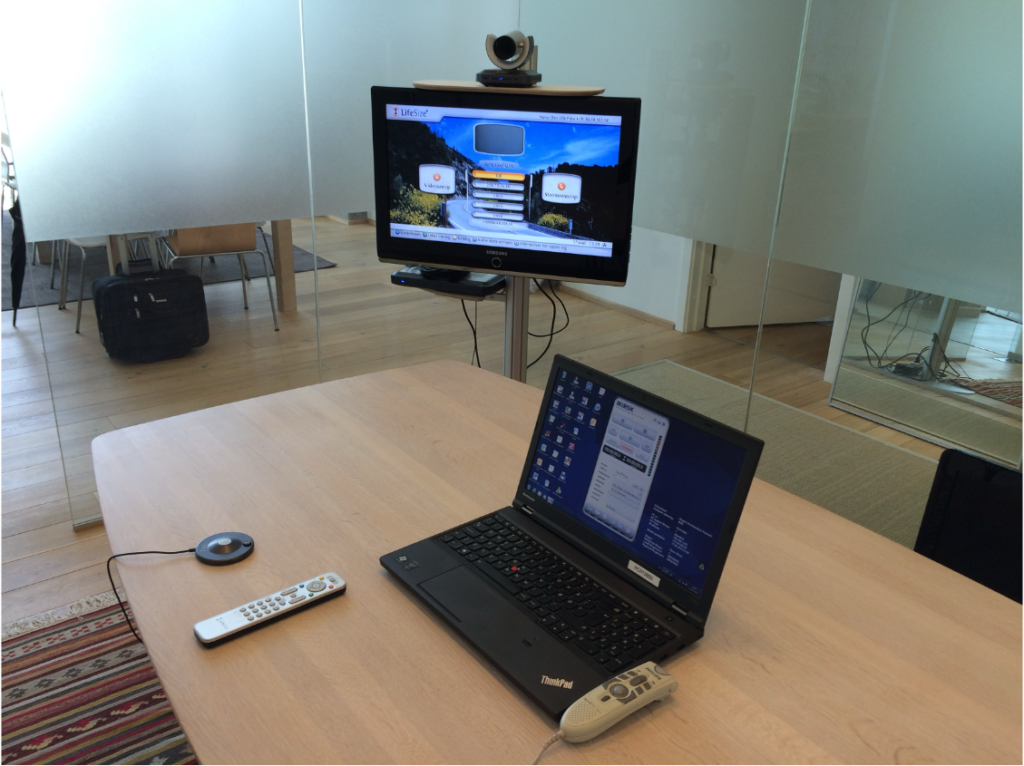
Veliki zamah dogodio se tijekom pandemije COVID-19 (2020–2022), kada je telepsihijatrija postala ključan način pružanja skrbi. Zbog mjera fizičkog distanciranja i povećanog psihološkog opterećenja, regulativne prepreke su u mnogim zemljama privremeno smanjene, modeli financiranja prilagođeni, a i liječnici i pacijenti brzo su prihvatili digitalne platforme. Ovo razdoblje označilo je globalnu normalizaciju telepsihijatrije, pretvarajući je iz dodatne opcije u središnji dio sustava mentalnog zdravlja.
Posljednjih godina telepsihijatrija se dalje razvija unutar šireg okvira digitalnog mentalnog zdravlja. Integrira se s mobilnim aplikacijama, umjetnom inteligencijom, daljinskim praćenjem i hibridnim modelima skrbi koji kombiniraju osobne i virtualne susrete. Istovremeno se javljaju i novi izazovi, uključujući sigurnost podataka, digitalne nejednakosti i potrebu za kulturno osjetljivim pristupom u prekograničnom liječenju.
Danas je telepsihijatrija prepoznata kao učinkovit i nužan način poboljšanja dostupnosti mentalnozdravstvenih usluga diljem svijeta. Njezina povijest odražava postupnu, ali duboku transformaciju – od eksperimentalne tehnologije do neizostavnog dijela moderne psihijatrije. S porastom globalne mobilnosti i sve većom povezanosti zdravstvenih sustava, telepsihijatrija će u budućnosti imati još značajniju ulogu u oblikovanju mentalnog zdravlja.
Za one koje zanima više – evo još nekoliko tekstova:
- Shore, J. H. (2015). Telepsychiatry: Videoconferencing in the delivery of psychiatric care. American Journal of Psychiatry, 172(3), 256–262. https://doi.org/10.1176/appi.ajp.2014.14081064
- Bashshur, R. L., Shannon, G. W., Bashshur, N., & Yellowlees, P. M. (2016). The empirical foundations of telemedicine interventions in primary care. Telemedicine and e-Health, 22(5), 342–375. https://doi.org/10.1089/tmj.2016.0045
- Yellowlees, P., Shore, J., & Roberts, L. (2010). Practice guidelines for videoconferencing-based telemental health. Telemedicine and e-Health, 16(10), 1074–1089. https://doi.org/10.1089/tmj.2010.0148